Empowering Girls through Entrepreneurship: Prisca Shabani Saidi’s Story
At 15 years old, Prisca Shabani Saidi, a Form Twostudent at Kiluvya Secondary School living in Kibamba Ward, faced a commonchallenge of accessing essential school items like uniforms, body oil, andshoes. These needs were difficult to meet quickly and easily, often causingstress and uncertainty.
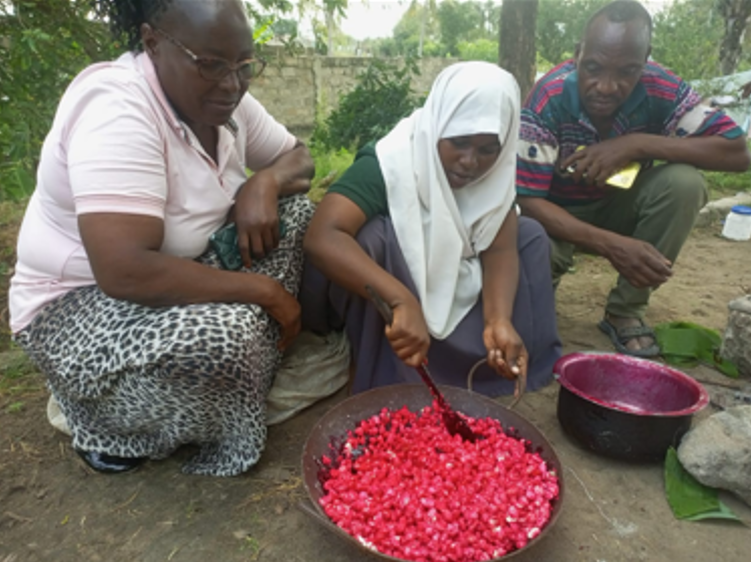
In 2024, Prisca decided to take control of her situationby joining a school-based entrepreneurship and gardening initiative. Hercreativity and determination led her to start a small business selling ubuyu(baobab snacks). She sells at school, earning a profit of Tsh 3,500 perkilogram. Every two days, she produces two kilograms, and they sell out withintwo days, providing her with a steady income.
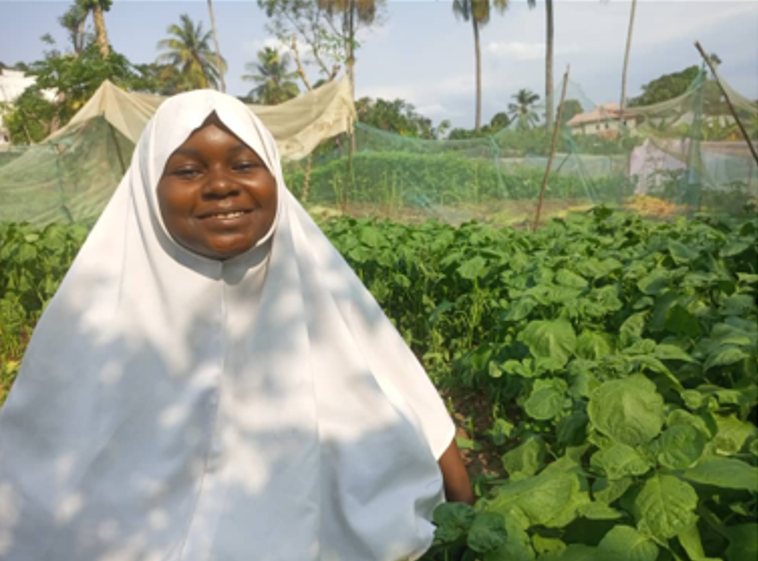
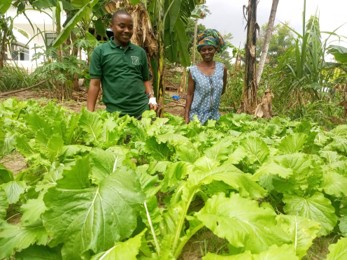
But Prisca didn’t stop there. She also established aschool garden measuring 20 feet by 5 feet, where she grows a variety ofvegetables, including figiri, mnamfu, and mchicha. This garden ensures herfamily has access to safe, organic vegetables while reducing householdexpenses. Prisca proudly shares:
“Sio lazimakutumia mbolea za kemikali na sumu, labda tu kunapokuwa na ulazima.” (It’s notnecessary to use chemical fertilizers and pesticides unless absolutelynecessary.)
Her entrepreneurial spirit doesn’t end with ubuyu andgardening. Prisca dreams of saving enough to start a women’s salon business, asshe loves hairdressing. She encourages other students to learn practical skillslike making ubuyu and starting gardens, saying:
“Wasio nabiashara wafungue biashara ya vitu tulivyojifunza.” (Those without businessesshould start one using the skills we’ve learned.)
Prisca’s story is a shining example of how empoweringgirls with entrepreneurial and agricultural skills can transform lives, buildconfidence, and create pathways to independence.