
Abbasi's Organic Farming Experience
Abbasi Kalesi has become a strong example of how organic agriculture can transform livelihoods and restore degraded soils.

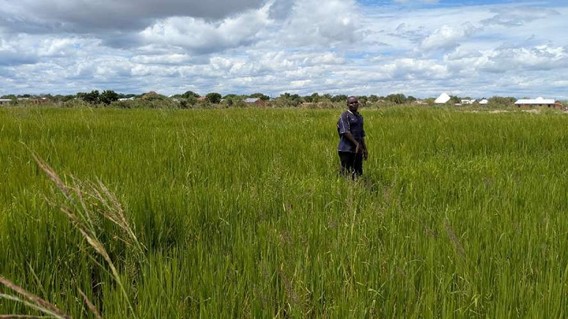
In Itunundu Village, Iringa Region, Abbasi Kalesi has become a strong example of how organic agriculture can transform livelihoods and restore degraded soils.
Like many smallholder farmers, Abbasi previously relied on conventional farming methods to grow maize, paddy, and vegetables. However, declining soil fertility, pests, and diseases reduced his yields and household income.
The Turning Point:
Abbasi attended a Basic Organic Agriculture training facilitated by SAT, where he learned sustainable farming techniques designed to improve productivity while protecting the environment.
Inspired by the training, Abbasi began applying organic practices on part of his farm by:
· Preparing compost and using animal manure
· Practicing crop rotation and intercropping
· Using botanical pesticides prepared from neem leaves and chilli
The Results:
Initially, the shift wasn't easy. Organic farming requires more effort, patience, and careful observation. But within two farming seasons, the benefits became clear.
Impact at a Glance:
Today, Abbasi has fully adopted organic agriculture across his entire farm. He has become a local ambassador of organic farming, sharing his experience and skills with fellow farmers in the village. His success has drawn the attention of extension officers and fellow villagers.
"My vegetables are now in high demand at the local market because people trust that they are safe and natural. Sometimes they even come directly to purchase vegetables on the farm. Organic farming not only revived my land but also restored my confidence as a farmer. Iused to see myself as just a struggling farmer. Now, I see myself as a solution to my community's farming challenges." — Abbasi Kalesi



Related Posts


