
Together we go organic
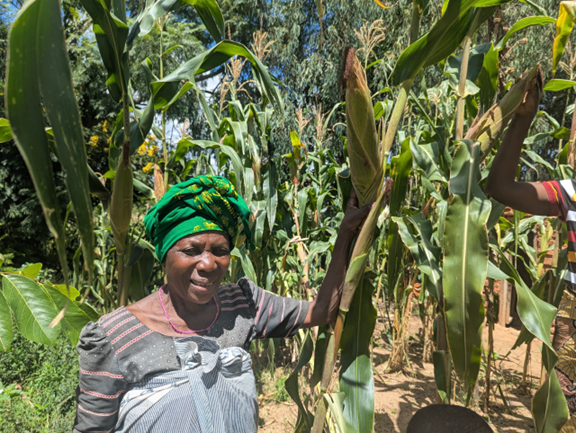
The Umoja ni Nguvu group in Nyamihuhu village, Nzihi ward, Iringa region, was formed through the efforts of Miss Aurelia, a Peer-to-Peer (P2P) farmer who received training at SAT Farmers Training Centre (FTC) in Vianzi, Morogoro in 2024. After returning from her training, Aurelia mobilized two groups in her community, one of which is Umoja ni Nguvu, meaning “unity is strength,” now comprising 25 determined members.
The group received several training sessions on organic farming as means of sustainable agriculture, focusing on preparing biopesticides, biofertilizers and compost. For many members, this was their first encounter with organic farming. Traditionally, they had no means of managing the crops though few relied heavily on chemical fertilizers and pesticides, practices passed down from their parents and widely used in their village. Rising costs of chemical inputs, combined with unpredictable weather, had worsened yields and increased farming risks.
When Aurelia first stood before a village meeting to introduce the idea of organic farming, very few believed it would work. But those who joined Umoja ni Nguvu chose to walk this new path together, determined to test organic practices over two farming seasons.
After several training sessions, the group developed a unique work plan. They rotated farm activities among members, preparing compost heaps and biopesticides on one member’s farm before moving to the next, ensuring no one was left behind in adopting organic practices. For some, this became an informal research effort to evaluate how these natural methods would perform compared to chemicals.
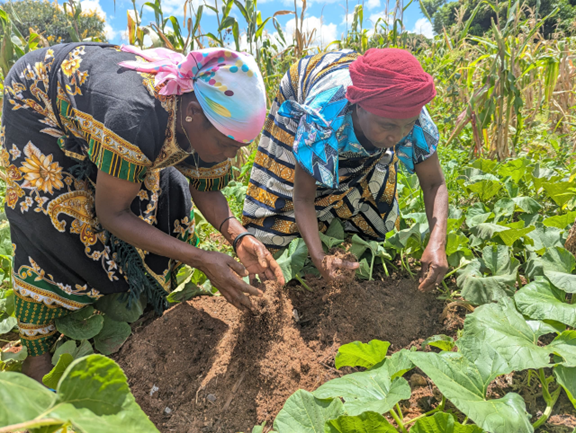
During the second farming season, delayed rainfall provided an unexpected test. While neighboring farms suffered from wilting maize, Umoja ni Nguvu members were amazed to see their crops thriving, with healthy soils, full maize cobs, and no pest damage. The results spoke louder than words.
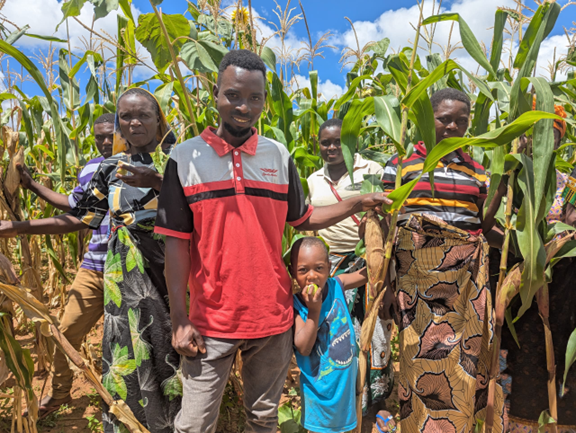
“We are pleased with what we see in our farms,” said the group chairperson. “We are grateful to Aurelia and to the project. Without this support, we might never have learned these best practices using natural plants to prepare our biopesticides and biofertilizers. We’ve seen the magic in our soil and our crops. As Umoja ni Nguvu, we are going organic together, no one is left behind.”


Related Posts


