
Biopesticides boost maize yields for nzihi village farmer
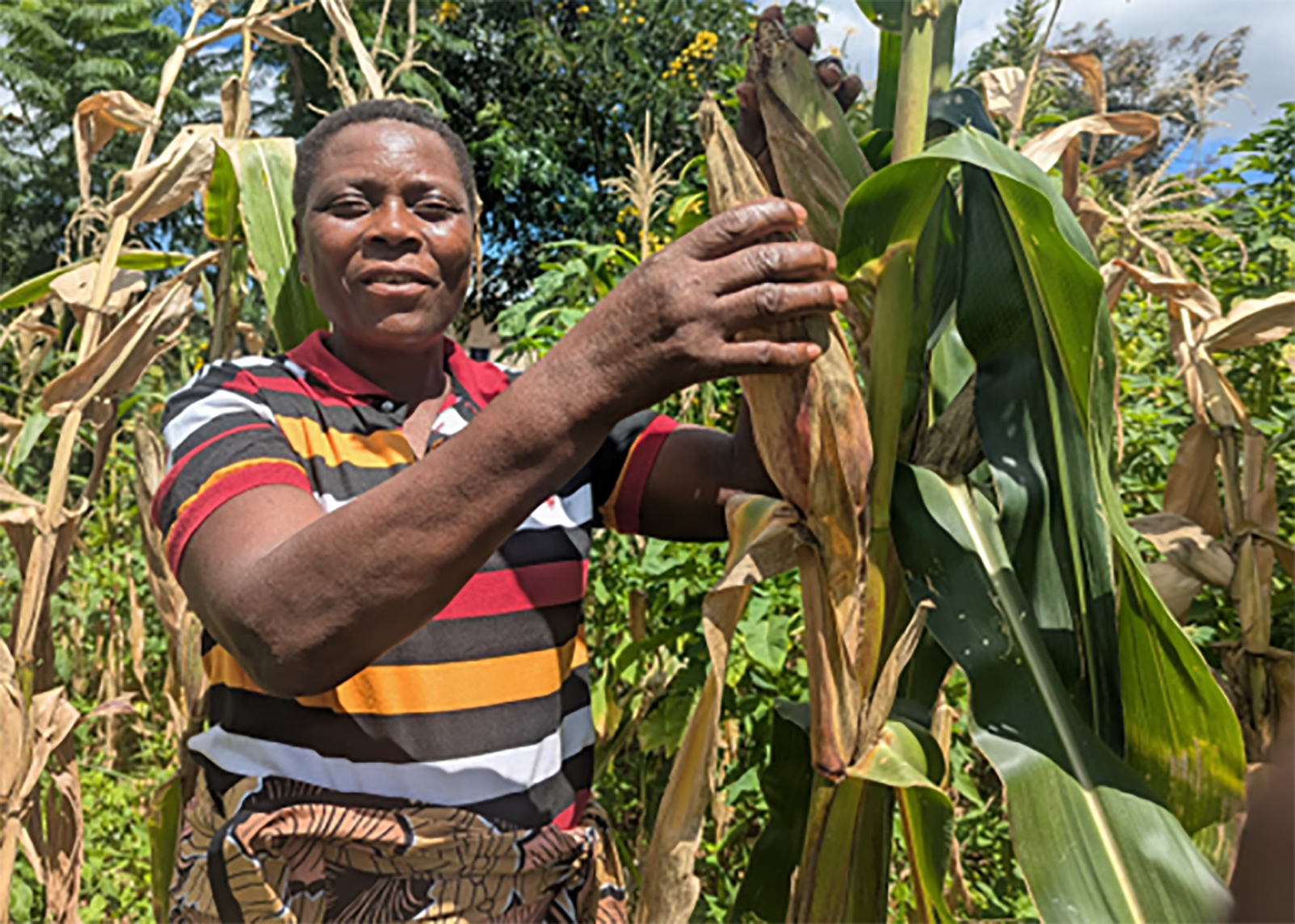
In Nzihi village, Iringa Region, pest management was often overlooked until pests began to seriously affect crop yields. Like many farmers, Venansia Mbembe (55 years), a smallholder and member of the Umoja ni Nguvu group, had experienced year after year of disappointing maize harvests due to pest damage.
“I’ve farmed maize and sunflowers for years,” she said. “But my maize yield kept decreasing, sometimes the leaves would wilt, other times it was Fall Army Worms. I didn’t use pesticides because they were too expensive, and my parents never used them either. I grew up watching them manage without.”
That changed in early 2024 when SAT, through the FPC Project, expanded into Nyamihuhu Ward, Iringa Region. Farmer-to-Farmer (P2P) trainer Aurelia, herself a resident of Nzihi village, received training in organic practices and returned in September 2024 to mobilize and train farmers in the village. Venansia joined the group after hearing about the benefits of biopesticides, made from natural plants like neem, moringa, chilli, and marigold.
“I was interested when I heard the biopesticides come from plants we already have. No need to buy expensive chemicals,” she recalled.
After receiving training, Venansia prepared her own biopesticide mixture and applied it to her maize plot.
“This season, even with delayed rains and high temperatures, conditions which is mostly liked by pests, my maize wasn’t attacked. The cobs are full and healthy. I’m confident my harvest will be better than previous years.”
Encouraged by the results, she now applies biopesticides not only to maize, but also to sunflower and vegetables.
This success highlights how the use of natural resources can significantly improve crop yields and food security. Through the FPC approach, farmers like Venansia are shifting from costly chemical dependence to sustainable, low-cost alternatives, ensuring better harvests and healthier farming environments.


Related Posts


